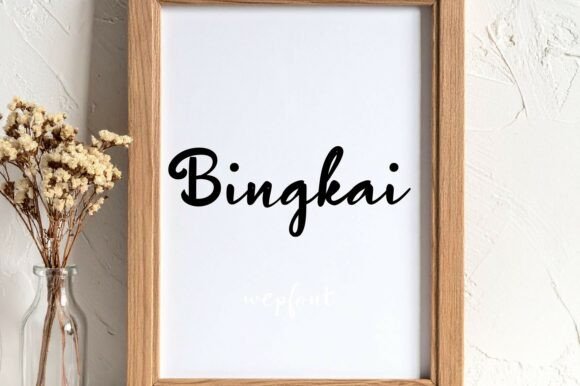
Bingkai: A Graceful Script Font for Makers
There is a specific kind of magic that happens when you are finalizing the design for a new line of soy candles. You have the scent profile perfected, the wax blend tested, and the jar chosen, but the label feels incomplete. It lacks soul. This is exactly where Bingkai steps in as a transformative element in your creative toolkit. As one of the most versatile Fonts available for Script Handwritten applications, this typeface does more than just display text; it infuses your physical products with an intimate touch of human connection. When I first loaded Bingkai into my design software to test on a mockup for a boutique sticker sheet, the difference was immediate. The strokes felt alive, moving with a rhythm that standard digital fonts simply cannot replicate.
Bringing Elegant Charm to Candle Labels and Product Packaging
Introducing Bingkai, an exquisitely graceful script typeface, melding elegant charm and heartfelt passion. For makers who specialize in small-batch goods, the packaging is often the first physical interaction a customer has with your brand. I tested Bingkai on a series of minimalist candle labels, pairing it with a clean, geometric sans serif font for the ingredient list. The contrast was striking. Bingkai handled the product name with a fluidity that suggested luxury and care, while the secondary font kept the technical details legible. This balance is crucial for Script Handwritten styles, which can sometimes sacrifice readability for flair. Bingkai, however, maintains clarity even at smaller sizes, making it ideal for product tags, boutique packaging, and seasonal gift labels.
The visual personality of Bingkai is warm and inviting. It does not shout for attention; rather, it whispers elegance. When applied to a kraft paper tag for a handmade soap bar, the font’s organic curves complemented the rustic texture of the material. This synergy between digital typography and physical texture is what elevates a simple product into a memorable brand experience. By using Fonts like Bingkai, you are not just labeling an item; you are setting an emotional tone before the package is even opened.
Creating Heartfelt Passion in Wedding Invitations and Stationery
Bingkai paints a canvas of artistry, with each stroke expressing an intimate touch of human creativity, making it a standout choice for wedding stationery and formal invitations. In the world of printable creators and invitation designers, the demand for scripts that feel personal yet professional is high. I used Bingkai to design a suite of wedding welcome signs and menu cards. The font’s ligatures and swashes added a layer of sophistication that made the digital print feel bespoke. Unlike some overly decorative scripts that become illegible when printed on textured cardstock, Bingkai retained its structural integrity.
For those creating digital downloads or editable templates, Bingkai offers a level of versatility that appeals to a broad audience. Whether it is for a birthday invitation, a baby shower announcement, or a formal gala invite, the font adapts to the occasion. The key to maximizing its impact lies in spacing and hierarchy. I found that giving Bingkai ample white space allowed its elegant charm to breathe, preventing the design from feeling cluttered. This approach ensures that the Script Handwritten aesthetic remains refined rather than chaotic, a common pitfall in amateur design.
Enhancing Brand Identity with Readable Script Handwritten Fonts
One of the biggest challenges for crafters and small shop owners is maintaining brand consistency across various mediums. From social media graphics to physical merchandise like mugs and tote bags, your typography needs to be recognizable. Introducing Bingkai, an exquisitely graceful script typeface, melding elegant charm and heartfelt passion into every application. I tested the font on a vinyl cut for a tote bag design. Because Bingkai has well-defined strokes without excessive thin lines that might weed poorly, it performed exceptionally well with cutting machines like Cricut and Silhouette. This practical reliability is just as important as its aesthetic appeal.
When building a brand identity, consider how Bingkai pairs with other Fonts. For a modern, clean look, pair it with a bold sans serif. For a vintage or romantic vibe, combine it with a classic serif font. This flexibility allows you to use Bingkai across different product lines without losing coherence. Whether you are designing a logo for a photography business, creating headers for a blog, or adding decorative wording to planner pages, Bingkai provides a consistent thread of elegance. It transforms ordinary text into a design asset that customers remember.
Practical Tips for Using Bingkai in Commercial Craft Projects
While Bingkai is incredibly versatile, it is important to understand its best use cases to ensure professional results. This Script Handwritten font shines in display settings—titles, names, short phrases, and decorative elements. It is not designed for long paragraphs or dense blocks of text, such as legal disclaimers or detailed product instructions. For these elements, always pair Bingkai with a highly readable sans serif or serif font. This combination ensures that your design is both beautiful and functional, meeting the needs of your customers while satisfying your creative vision.
Before launching any commercial product featuring Bingkai, always check the specific licensing terms included with the Fonts download. Ensure that your intended use, whether for physical goods like shirts and mugs or digital products like printable wall art, is covered. Additionally, take advantage of any included alternates or swashes to add variety to your designs. Using these features can prevent your branding from looking repetitive, especially if you produce multiple items with similar layouts. By treating Bingkai as a core component of your design strategy, you elevate the perceived quality of your handmade goods, fostering deeper engagement with your audience.